






How to Choose the Right Baby Car Seat in Canada

Becoming a parent comes with a long list of decisions, but few are as critical as choosing how to transport your little one safely. In Canada, navigating the world of car seats involves more than just picking a colour that matches your vehicle's interior. It is about understanding strict safety standards, complying with federal laws, and finding a seat that fits your family's real-life needs.
Whether you are bringing a newborn home from the hospital or upgrading your toddler to a bigger seat, the options can feel overwhelming. From bucket seats to boosters, every parent wants to know they are making the best choice for their child’s safety.
This guide will walk you through everything you need to know about buying the right Baby Car Seat in Canada. We will cover the different types of seats, legal requirements, installation tips, and even how to handle our cold Canadian winters. And if you are still building your baby gear list, you might also want to check out our guide to choosing the Right Baby Stroller to complete your travel setup.
Types of Baby Car Seats Explained
Understanding the different categories of seats is the first step. Car Seats come in various stages designed to protect children as they grow. Here is a breakdown of what you will find on the market.

Infant Car Seats
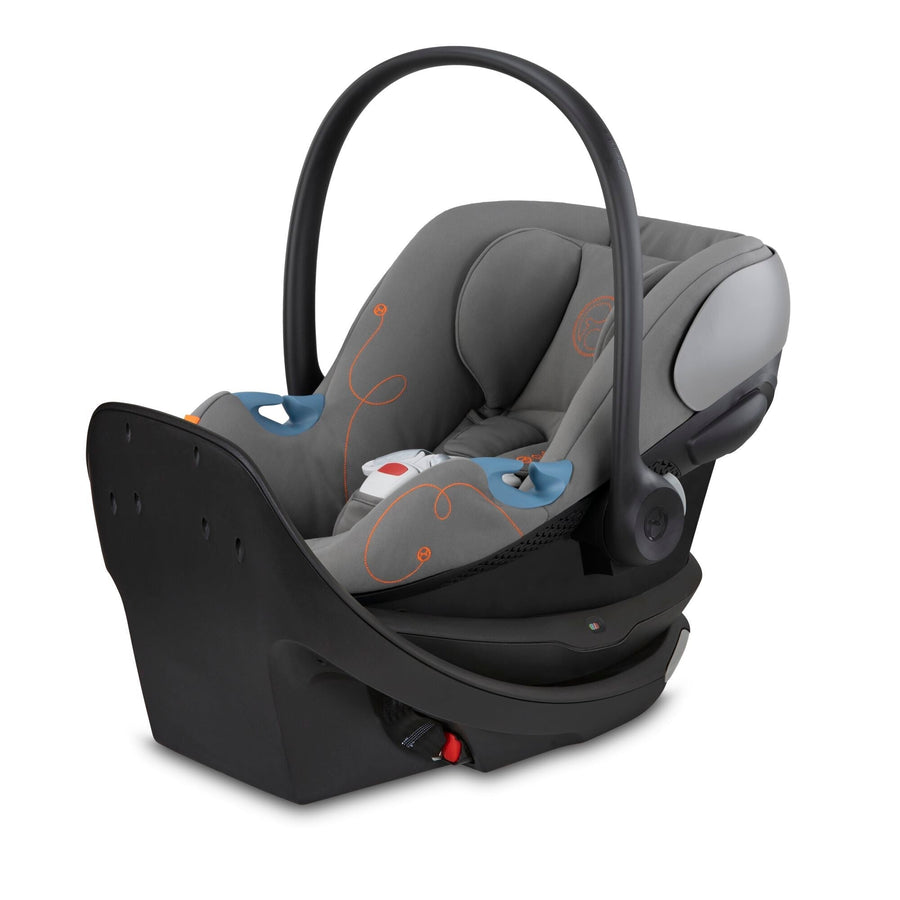
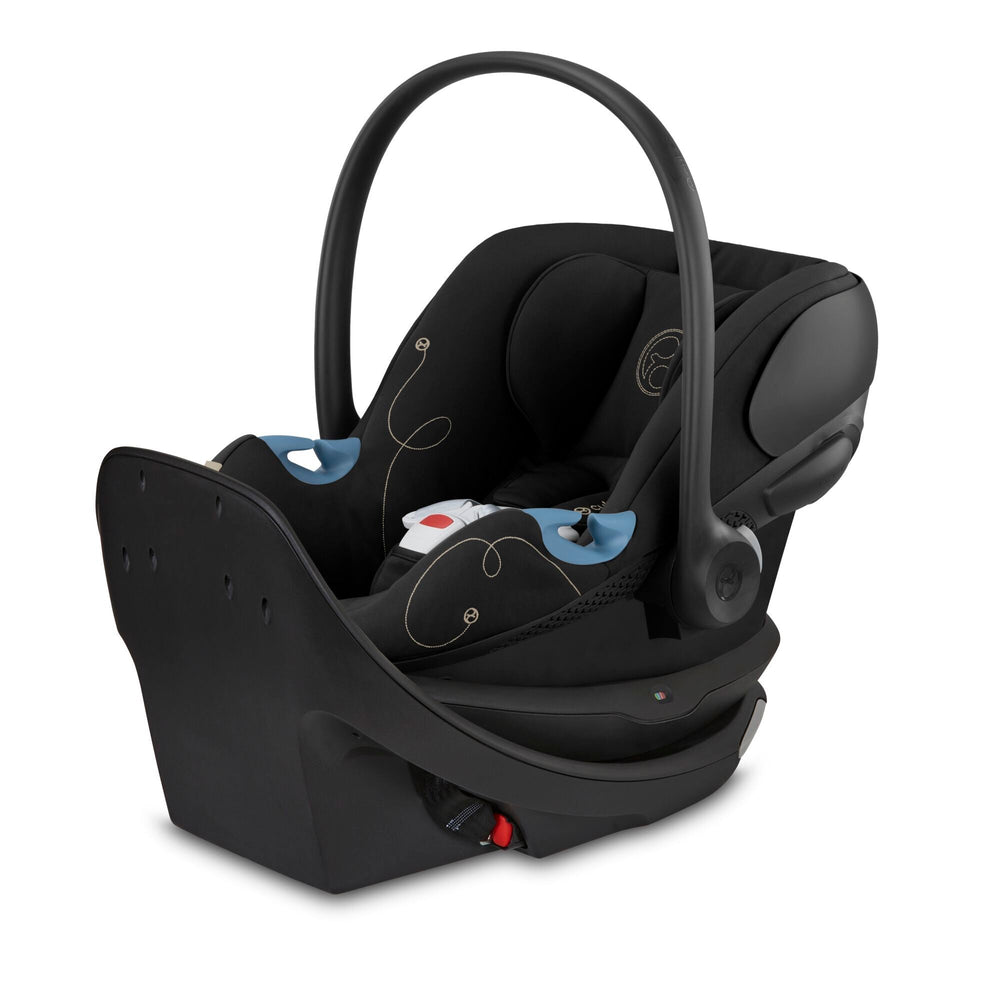
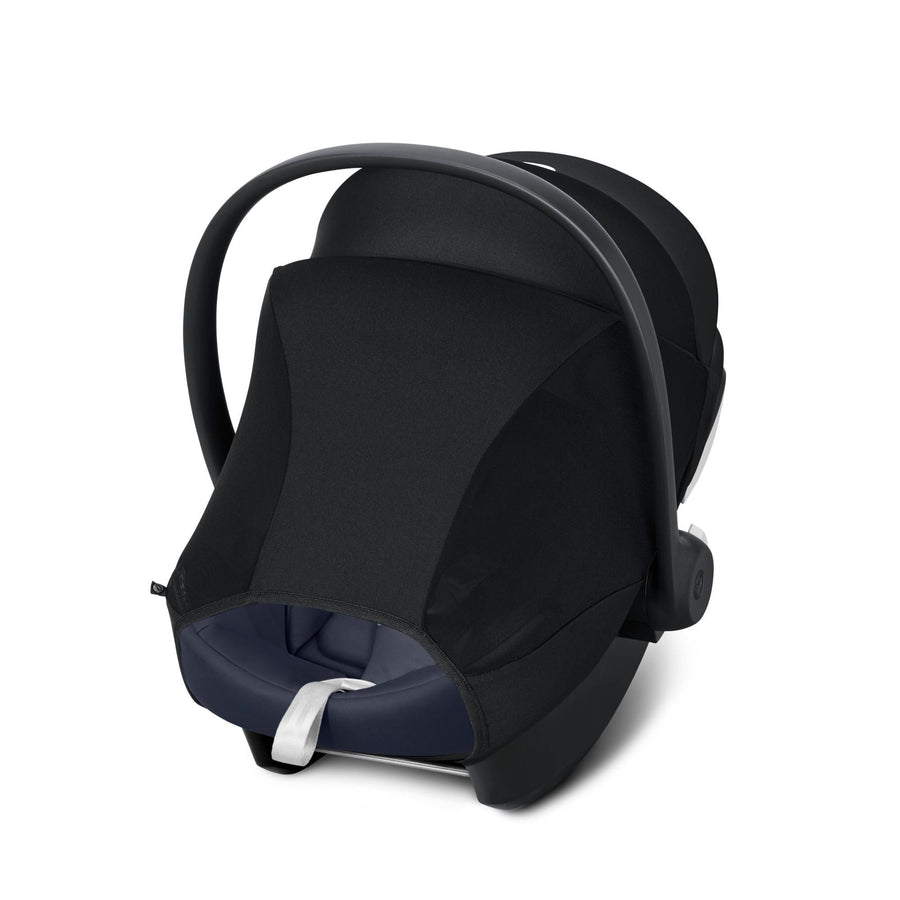
Often called "bucket seats," infant car seats are designed exclusively for newborns and smaller babies. They always face the rear of the vehicle. One of the biggest advantages of an infant seat is portability. You can detach the seat from its base, which stays in the car, allowing you to carry your sleeping baby inside without waking them. Most infant seats can be used until your baby is around 22 to 35 pounds, depending on the model.
The Peg Primo Viaggio 4-35 Nido Infant Car Seat Review will walk you through everything you need to know.
Looking for a lightweight infant car seat for city life? Read our full Nuna PIPA Urbn Infant Car Seat review or Maxi-Cosi Mico Luxe+ Infant Car Seat Review for a clear look at safety, install tips, and travel use to see if it fits your lifestyle.
Convertible Car Seats
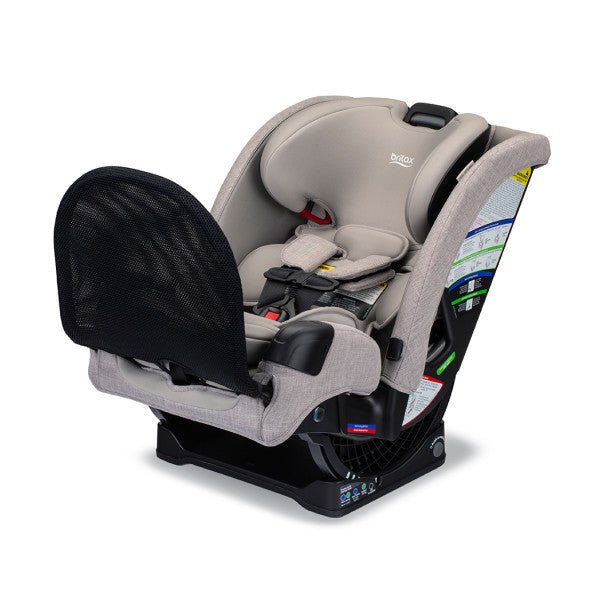
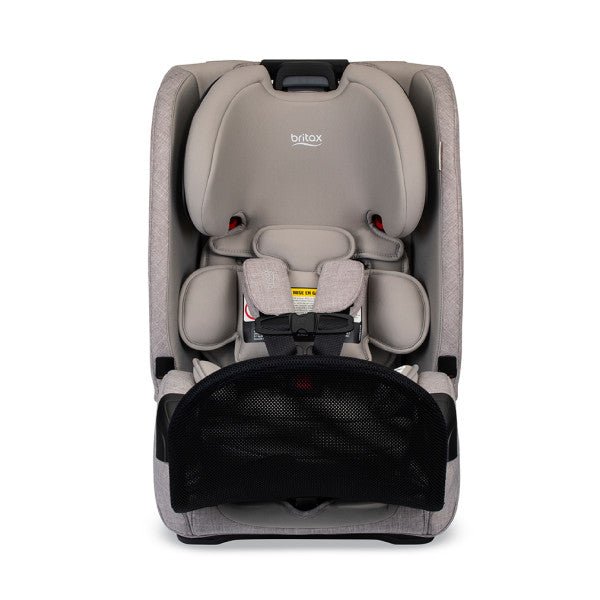
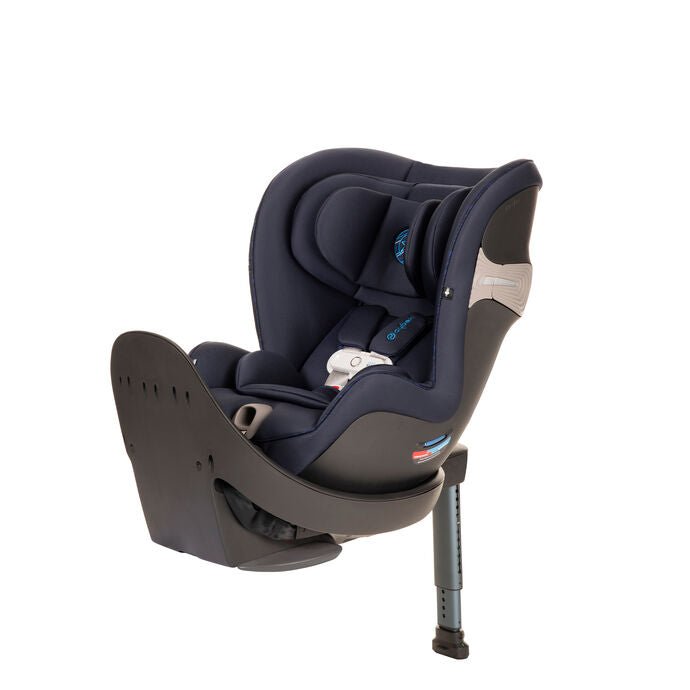
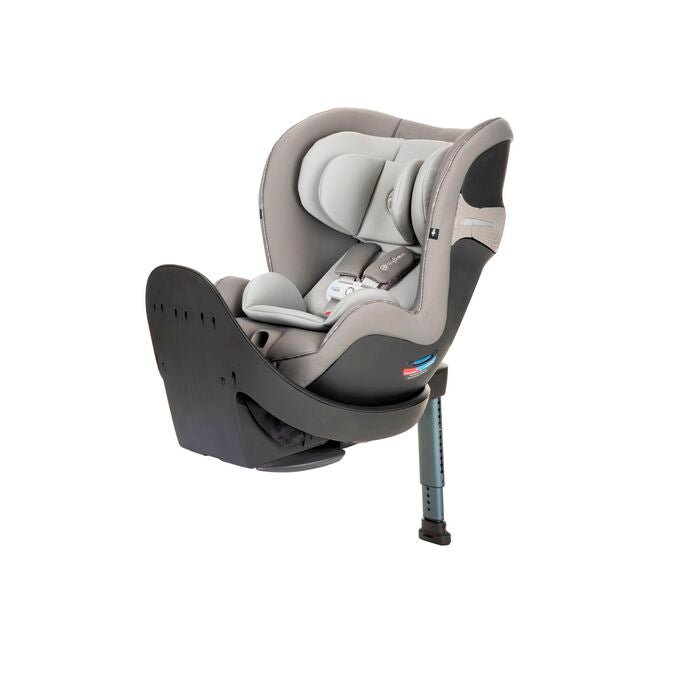
Convertible car seats are the next step up. These versatile seats start in a rear-facing position and can later be turned forward-facing when your child meets the height and weight requirements. While they stay installed in the car and aren't portable like infant seats, they offer excellent value because they last for several years. Many parents switch to a convertible seat once their baby outgrows the height limit of their infant carrier. If you want to know in detail, check out our complete guide on the Best Convertible Car Seats of 2026 in Canada.
For a close head-to-head look at two top convertible seats, see our comparison: UPPAbaby Rove vs Nuna RAVA Convertible Car Seat.
Looking for a premium convertible car seat Read our full UPPAbaby Rove Convertible Car Seat review to see if it’s right for your family.
All-in-One Car Seats
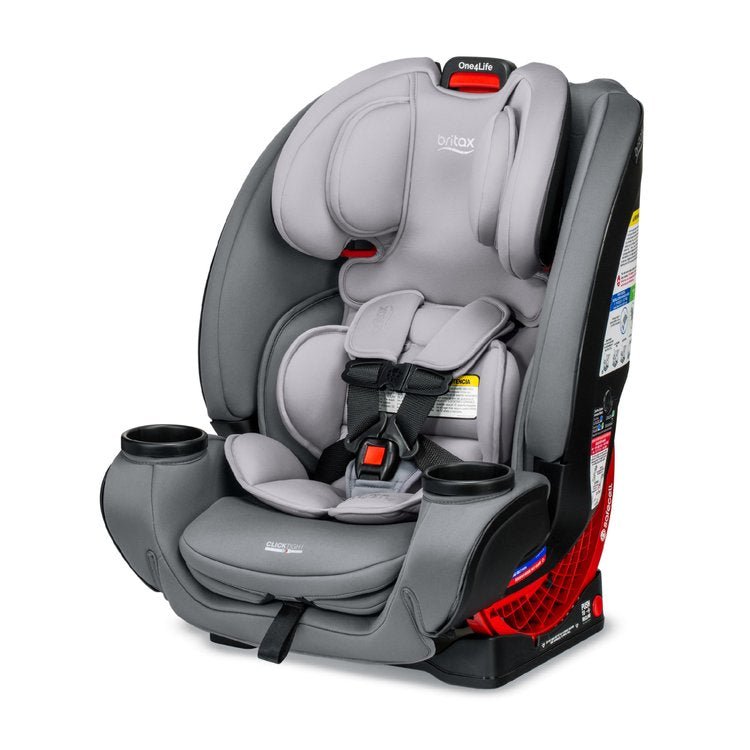
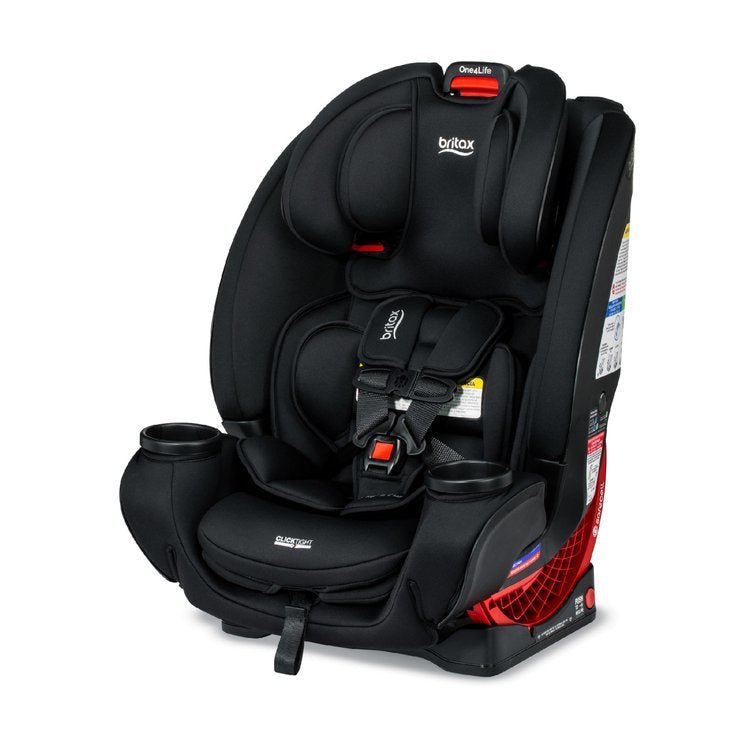
If you are looking for longevity, All-in-One Car Seats might be the perfect solution. These are designed to be the only car seat you ever buy. They transform from a rear-facing seat for infants to a forward-facing seat for toddlers, and finally into a booster seat for school-aged children. They are often bulkier than other types but offer incredible convenience for parents who want a "one and done" purchase.
For a detailed review of a top rotating all-in-one, see our Maxi-Cosi Andi 360° Rotating All-in-One Convertible Car Seat Review.
Booster Seats
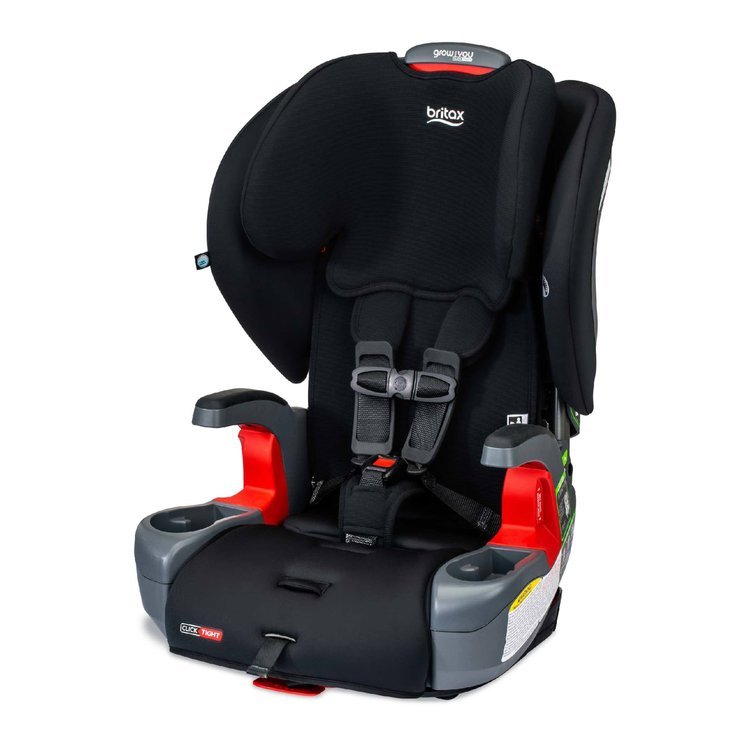
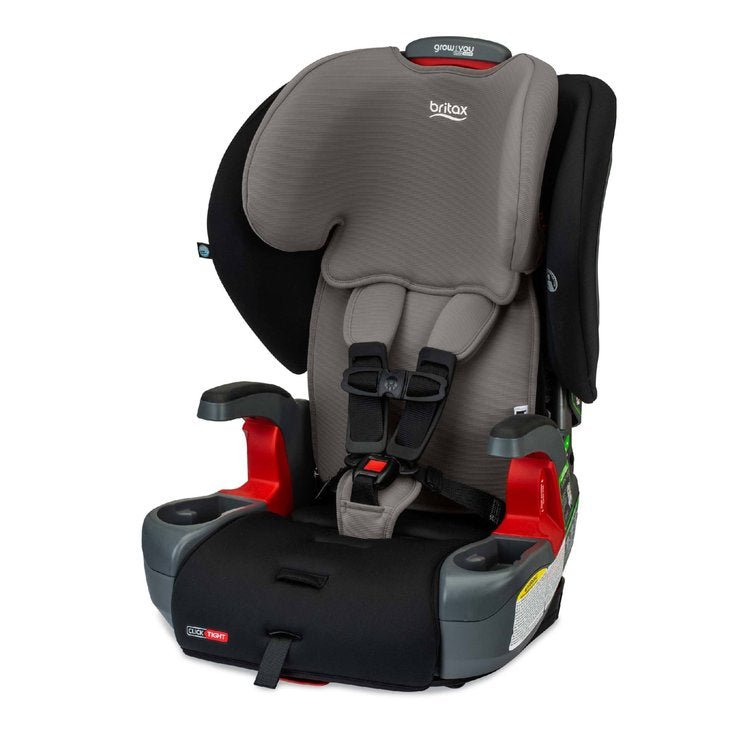
Once your child has outgrown their forward-facing harness, they will graduate to booster seats. Boosters elevate the child so that the vehicle’s regular seat belt fits them correctly across the shoulder and hips. Booster Car Seats are essential for older kids, usually starting around age 4 or 5, until they are tall enough to use a seat belt alone—typically around 4 feet 9 inches tall. For more detailed advice, check out our Best Booster Car Seats of 2026 in Canada guide.
Shopping for a high back booster? Read our Peg Perego Viaggio Flex 120 Booster Seat review to see if it’s right for your growing child.
Essential Components and Accessories
When buying a seat, you may need extra components. Car Seat Bases are crucial for infant seats, especially if you have more than one vehicle. Keeping a base in each car makes switching the seat a breeze. To connect your seat to a stroller, you will likely need specific Car Seat Adapters. Finally, various car seat accessories are available, such as mirrors and seat protectors, but always ensure they are safe to use with your specific model.
Canadian Car Seat Safety Laws Every Parent Must Know
In Canada, all car seats must meet Transport Canada’s Motor Vehicle Safety Standards. You must look for the National Safety Mark—a round sticker with a maple leaf—on any seat you purchase. Using a seat bought in the USA or another country is illegal because safety standards differ across borders.

Rear Facing Laws in Canada
The law regarding rear-facing seats varies slightly by province, but the safety consensus is clear. In general, Canadian regulations require babies to remain rear-facing until they are at least 22 pounds (10 kg) and able to walk unassisted. However, safety experts strongly recommend keeping your child rear-facing for as long as possible, well beyond the legal minimum, as it provides superior protection for the head, neck, and spine.
Forward Facing and Booster Rules
Once a child has outgrown the rear-facing limits of their convertible seat, they can switch to forward-facing with a harness. Legally, children must use a car seat with a 5-point harness until they reach a minimum weight, typically 40 pounds (18 kg).
After the harness, the booster stage begins. In many Canadian provinces, children are required to use a booster seat until they are at least 145 cm (4 feet 9 inches) tall or reach age 9. Moving a child out of a booster too early is a common mistake that can lead to severe injuries in a crash because the adult seat belt does not sit on their strong hip bones.
Provincial Differences to Be Aware Of
While federal standards certify the seats themselves, usage laws are provincial. For example, Ontario, British Columbia, and Alberta all have specific wording regarding age and weight transitions. Always check your local provincial highway traffic act to ensure you are compliant, especially if you are moving or taking a road trip across the country.
How to Choose the Right Baby Car Seat in Canada
With so many options, how do you pick "the one"? The best baby car seat Canada has to offer is the one that fits your child, fits your vehicle, and is used correctly every single time.
Age, Weight and Height Requirements
Start by looking at your child's current stats. If you are buying for a newborn, look for seats rated for infants as small as 4 or 5 pounds. If you have a tall toddler, check the height limits of convertible seats. Children often outgrow seats by height before weight, so check the manufacturer’s label for the standing height limit or the "one inch below the top of the shell" rule.
Your Car Compatibility
Not all car seats fit all cars. A bulky all-in-one seat might not fit in the back of a compact sedan if the driver needs legroom. Before you buy, measure your back seat. Check where your car’s LATCH (Lower Anchors and Tethers for Children) points are located. Some vehicles have sloped bucket seats that make it hard to get the correct recline angle for a newborn. If possible, test the installation at the store before purchasing.
Lifestyle and Travel Needs
Think about how you live. Do you take taxis or Uber frequently? If so, you need an infant seat that can be installed without a base using a standard seat belt. Do you fly often? You will want a lightweight seat that is FAA/Transport Canada approved for aircraft use. If you have a travel system car seat stroller in mind, ensure the car seat brand you choose is compatible with the stroller you love.
Rear Facing vs Forward Facing: What Is Safer
You will often hear the advice "rear-facing is safest," but it is helpful to understand why this is the case.
Why Rear Facing Is Safer for Longer
When a car crashes, the most common type of impact is frontal. In a forward-facing seat, a child's head is thrown forward violently, putting immense stress on their developing neck and spine. In a rear-facing seat, the shell of the car seat absorbs the impact, cradling the child's head, neck, and back. The force is distributed across the entire back of the seat rather than focused on harness points. This is why keeping your child rear-facing until they max out the seat's limits is the gold standard for car seat safety in Canada.
When to Switch Safely
Resist the urge to turn the seat around just because your child’s legs are touching the back seat. This is not a safety hazard; kids are flexible and will cross their legs or rest them on the seat. You should only switch to forward-facing when your child has reached the maximum weight or height limit for the rear-facing mode on their specific convertible car seat.
Car Seat Installation Basics
Even the most expensive car seat cannot protect your child if it is installed incorrectly. Studies show that a high percentage of car seats in Canada are installed or used improperly.

LATCH vs Seat Belt Installation
You can install most car seats using either the LATCH system (UAS - Universal Anchorage System) or the vehicle seat belt. Both are equally safe, but you should rarely use both at the same time unless the manual specifically allows it. LATCH has weight limits—usually a combined weight of the child plus the seat (often 65 lbs). Once your child exceeds this, you must switch to a seat belt installation.
Common Installation Mistakes
- Loose Installation: The seat should not move more than 1 inch side-to-side or front-to-back at the belt path. If it wiggles, it is too loose.
- Twisted Straps: Harness straps must lie flat against the child.
- Chest Clip Position: The chest clip should be at armpit level. If it is too low, the child can be ejected; too high, and it can cause neck injury.
- Incorrect Recline: Newborns need a specific recline angle to keep their airways open. Ensure the bubble level indicator is in the correct zone.
When to Get a Professional Check
If you are struggling or just want peace of mind, look for a Child Passenger Safety Technician (CPST) in your area. These certified professionals can inspect your installation and teach you how to do it correctly. Many community centres or police stations host clinics periodically.
Car Seats and Strollers Travel Systems Explained
For new parents, convenience is key. A travel system consists of an infant car seat and a stroller that click together. This allows you to move your baby from the car to the stroller without unbuckling them.
Infant seats connect to strollers either directly or via adapters. Some brands have proprietary connections, while others use "universal" adapters. If you have your heart set on a specific stroller, check which car seats it accepts.
- Looking for the perfect ride for your newborn? Read our guide on the Best Strollers for Newborns in Canada.
- Planning a family vacation? Don't miss our tips on the Best Travel Strollers for Air Travel and Vacations.
Winter Car Seat Safety in Canada
Canadian winters pose a unique challenge for car seat safety. We want our babies to be warm, but how we dress them matters.
Why Bulky Jackets Are Dangerous
Thick snowsuits and puffy winter coats are dangerous in a car seat. In a crash, the fluffy material compresses instantly, leaving a large gap between the harness and the child’s body. This slack allows the child to be thrown forward, potentially leading to ejection from the seat.
Safer Alternatives Like Car Seat Covers
The "pinch test" is a great way to check safety: buckle your child in with the coat, tighten the harness, then unbuckle without loosening the straps. Remove the coat and buckle them back in. If you can pinch a fold of the strap at the shoulder, the coat was too thick.
Instead, dress your baby in thin, warm layers (fleece is great). Once they are buckled tightly, place a blanket over them or put their coat on backwards over their arms. For infant seats, shower-cap style covers that go over the top of the seat (without interfering with the straps) are excellent for keeping wind and snow out.
When to Replace or Upgrade Your Car Seat
Car seats are not permanent fixtures; they have a lifespan and conditions under which they must be replaced.
Expiration Dates
Yes, car seats expire! Over time, the plastic degrades due to temperature fluctuations (like our hot summers and freezing winters) and UV exposure. Most seats have an expiration date stamped on the shell, typically 6 to 10 years from manufacture. Never use an expired seat, as the materials may fail in a crash.
After an Accident
If you are involved in a collision, you likely need to replace the seat, even if it looks fine. Stress fractures in the plastic may not be visible. Some manufacturers follow the NHTSA criteria for "minor crashes," allowing continued use if specific conditions are met, but many require replacement after any crash. Always check your manual. Insurance companies often cover the cost of a replacement seat after an accident.
Car Seat FAQs
Here are answers to some of the most common questions Canadian parents ask.
Is a used car seat safe?
Generally, it is risky to buy a used car seat. You cannot know the history of the seat—whether it has been in a crash or if the straps have been washed with harsh chemicals that weaken them. Unless you know the previous owner intimately and trust them with your child’s life, it is safer to buy new.
How long should a baby stay rear-facing?
Keep your baby rear-facing for as long as possible. Don't rush to switch at age 1 or 2. Ideally, wait until they reach the maximum height or weight limit of their convertible seat, which is often around 40 lbs or more.
Do car seats expire?
Yes. Check the sticker on the side or bottom of your seat for the expiration date. Do not buy or accept a hand-me-down seat without checking this date first.
Can I install a car seat myself?
Absolutely. Manufacturers design seats to be installed by parents. Read the manual carefully, watch official installation videos from the brand, and take your time. If you are unsure, consult a CPST.
What is the safest seat position in the car?
Statistically, the middle of the back seat is the safest spot because it is furthest from any potential impact zones. However, if you cannot get a tight installation in the middle (due to the seat belt design or humps in the floor), it is safer to put the seat on either side where you can install it securely.
Final Thoughts
Choosing the right car seat is a big responsibility, but it doesn't have to be stressful. By focusing on safety standards, proper fit, and your specific lifestyle needs, you can find the perfect solution for your family. Remember, the best seat is one that fits your child, fits your vehicle, and is used correctly every time you drive.
Ready to find the perfect match for your little passenger? Explore our extensive collections of Car Seats, including specific options for infant car seats, convertible car seats, and booster seats. Safe travels!