











Bassinet vs Mini Crib: Best Sleeping Setup for a Newborn?

Key Takeaways
Both a bassinet and a mini crib can be safe sleep options for newborns when they meet current safety standards and are used correctly.
Bassinets are ideal for the first few months due to portability and bedside access, while mini cribs last longer and work well in small apartments or in a dedicated nursery.
The best sleeping setup for a newborn often combines a bedside bassinet for nighttime and a mini crib or full-size crib for long-term use.
When choosing between a bassinet and a mini crib, the best choice depends on space, budget, and lifestyle.
Parents in Canada can compare specific bassinets and mini cribs through collections at Macklem's Baby Store.
Introduction: Bassinet vs Mini Crib for Newborn Sleep
Newborns typically sleep 14 to 17 hours a day in fragmented stretches, which means the sleep space you choose will see a lot of use in those early days. Deciding between a bassinet and a mini crib for newborn sleep is one of the first big nursery decisions many parents face in 2026.
A bassinet is a compact, portable infant bed designed for newborns. At the same time, a mini crib offers a deeper, sturdier sleep space that bridges the gap between bassinet and traditional crib. This guide will help you answer the common question: Should I buy a bassinet or mini crib? We will cover safe sleep options for newborns, space considerations, budget comparisons, and the lifespan of each option.
At Macklem's baby store in Toronto, we help families compare compact baby sleep solutions every day. Whether you live in a tight condo or have a dedicated room for your little one, understanding the difference between a bassinet and a mini crib will set you up for better sleep decisions.
What Is a Bassinet? (And When It Works Best)

A bassinet is a small, portable infant sleeping space designed specifically for newborns during their first few months. These lightweight beds typically weigh under 20 pounds and feature a shallow, basket-like design with mesh sides for visibility and airflow.
A bassinet is designed for newborns from birth to about four months old. Most bassinets have a weight limit of around 15 to 20 pounds, meaning they are only suitable for a limited time as babies grow. You should stop using a bassinet once your baby rolls over, starts pushing up, or exceeds the manufacturer's weight limit.
Common features include:
Lightweight frame for easy room-to-room movement
Mesh sides that let you see your baby sleeping
Optional rocking, vibration, or sound functions
Bedside designs that pull close to the adult mattress
A bedside bassinet works especially well for nighttime feedings and post-C-section recovery when bending is difficult. Bassinets are generally more portable and easier to move around the house, making them a convenient option for parents who want to keep their baby close during the early weeks.
Browse different styles at Macklem's bassinets collection.
What Is a Mini Crib? (And How It Differs from a Full-Size Crib)
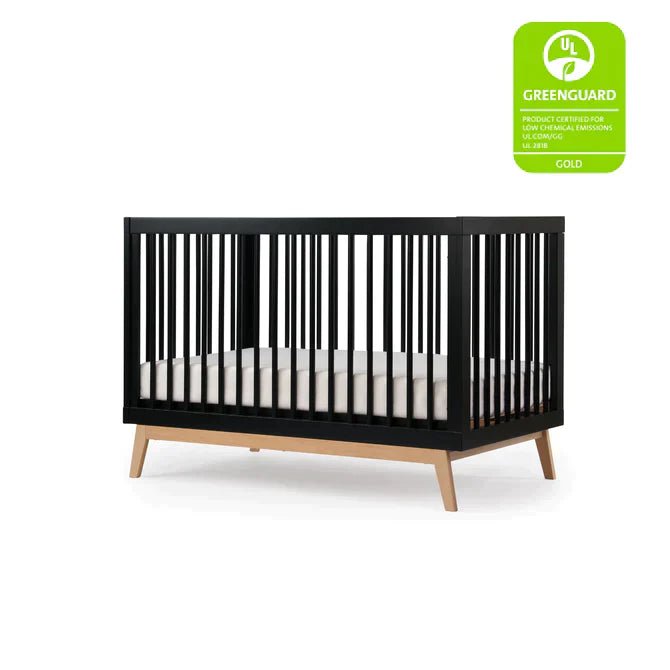
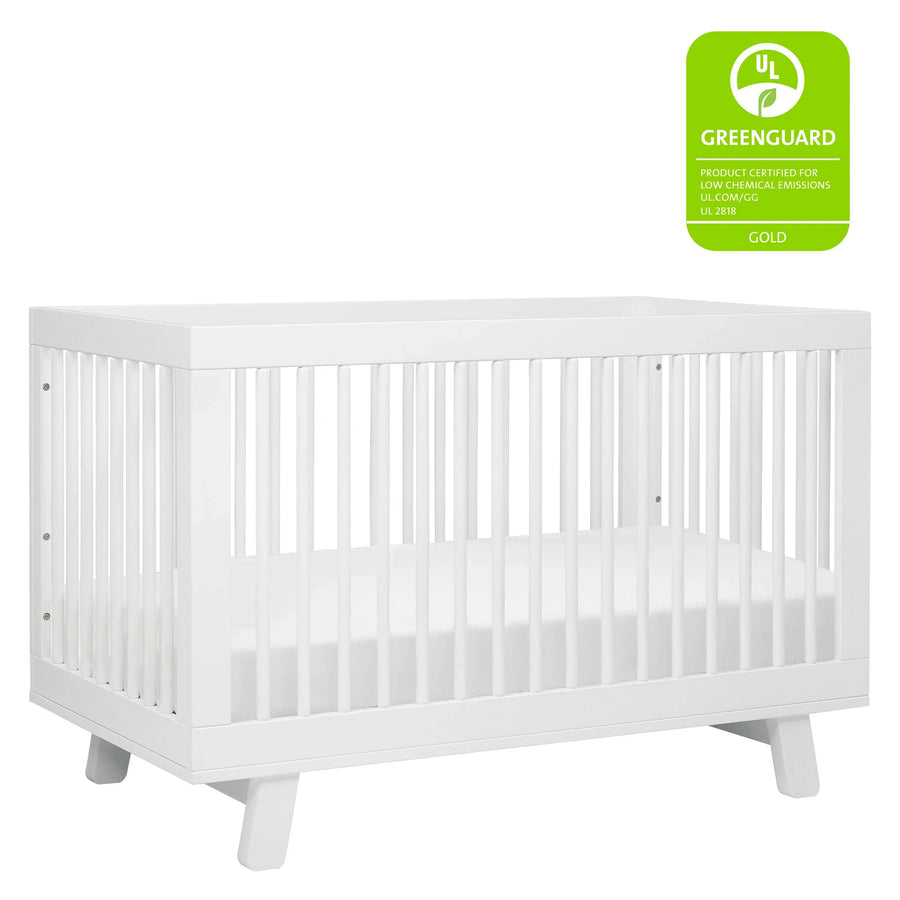
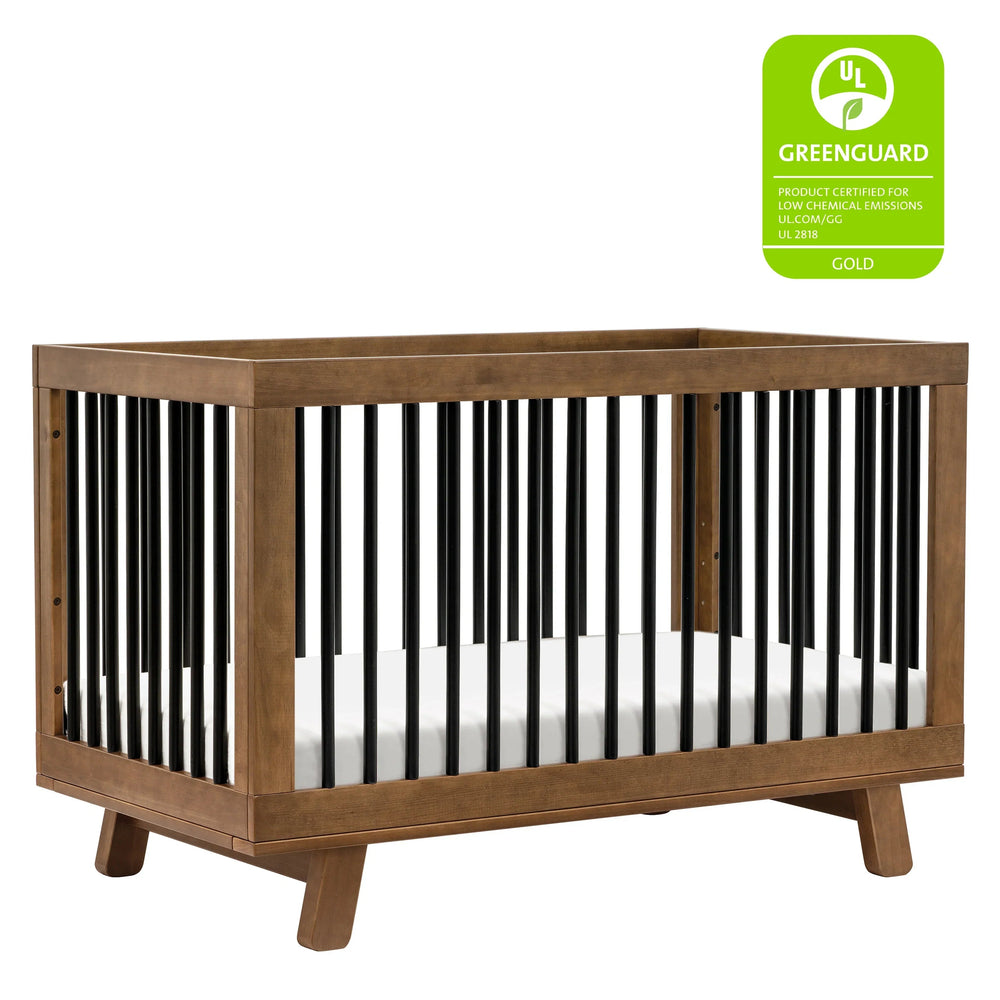
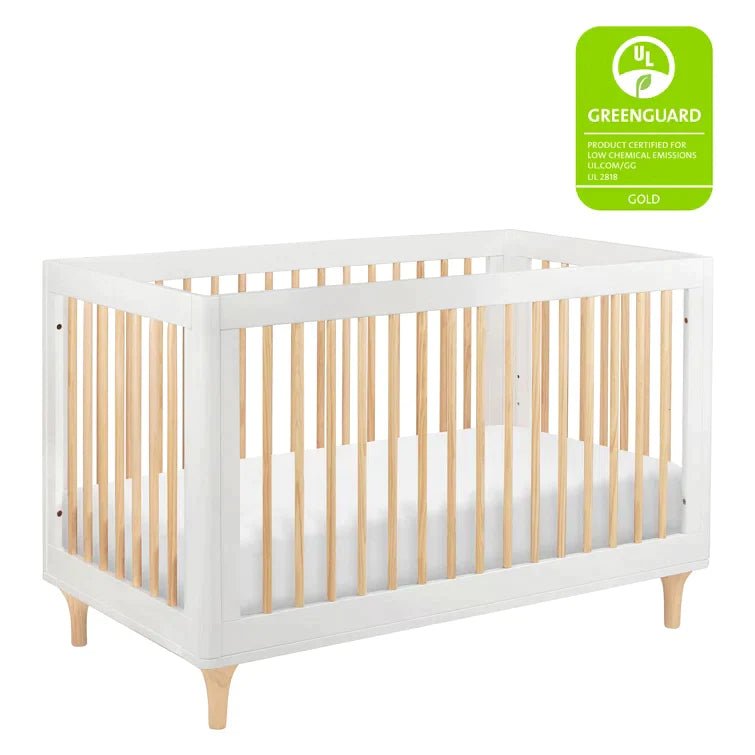
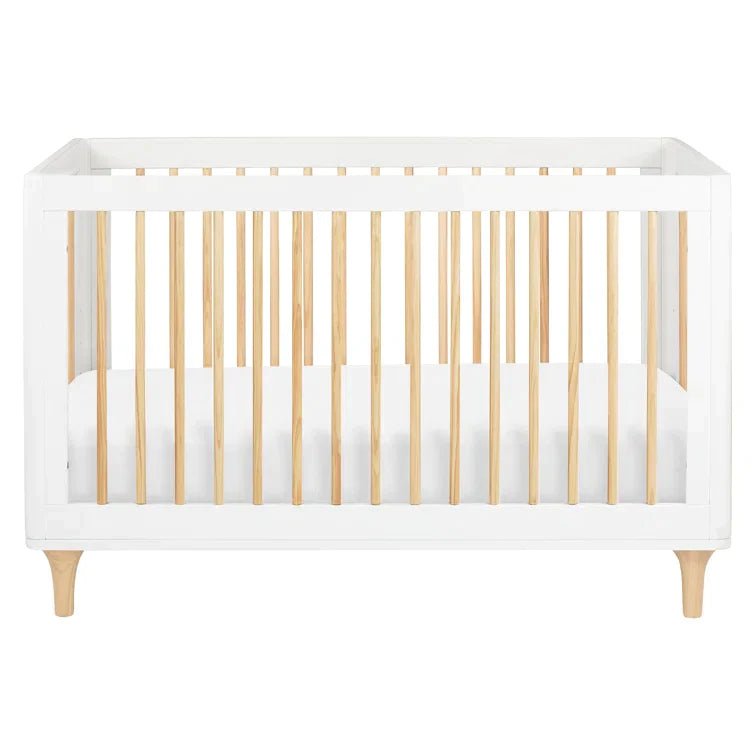
A mini crib is a smaller version of a regular crib that uses a specialized crib mattress measuring approximately 38 by 24 inches. It takes up less floor space than standard cribs while offering a deeper, sturdier sleep space than a bassinet.
The main difference between a bassinet and a mini crib comes down to depth, durability, and longevity. A mini crib is a middle ground between a bassinet and a full-size crib, offering more durability and a longer use window. Mini cribs can be used from birth until roughly 18 to 24 months, significantly outlasting bassinets.
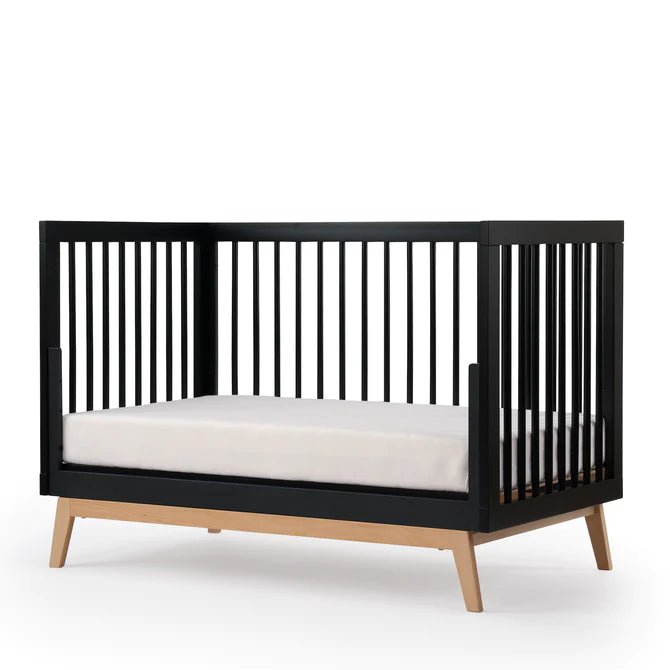
Some mini cribs are convertible crib styles that transform into a toddler bed later, extending their value through the toddler years. When comparing a mini crib vs. a full-size crib:
Explore mini and full crib options at the Macklem's baby cribs collection.
Bassinet vs Mini Crib: Key Differences at a Glance
Understanding the important differences between these options helps parents make informed decisions. Here is a quick mini crib vs bassinet comparison:
Lifespan and Usage
Bassinets: Birth to approximately 4 to 6 months
Mini cribs: Birth through 18 to 24 months
Size and Space Needs
Bassinets: Smallest footprint, fits beside a bed in tight spaces
Mini cribs: Take up more room, but still qualify as space-saving nursery ideas
Portability and Mobility
Bassinets can often be moved easily from room to room, allowing parents to keep their baby close during the day and night
Mini cribs are heavier, but many models have wheels for repositioning
Cost and Value
Bassinets are generally less expensive than cribs, making them a budget-friendly option during the newborn stage
Mini cribs offer better cost per year of use due to longer lifespan
Room Planning
Bassinets support room sharing next to the parents' bedroom
Mini cribs work well in a dedicated nursery or an open space corner
Is a Bassinet Safer than a Mini Crib?
According to the American Academy of Pediatrics (AAP), both cribs and bassinets are acceptably safe options for newborns, provided they meet current safety standards. Neither is inherently safer than the other.
Both options are safe and recommended for newborns, but bassinets are often preferred for convenience and bedside access during the first few months. The AAP recommends that newborns sleep in their own separate bed within the parents' room for the first 6 months to reduce the risk of SIDS.
Bassinet safety guidelines include:
Checking weight limits before each use
Ensuring mesh sides remain intact without tears
Never adding extra padding, incline devices, or crib bumpers
Mini crib safety standards require:
JPMA certification verification
Slat spacing no wider than 2-3/8 inches
Using only the correct mini crib mattress size
To ensure a safe sleeping environment, it is crucial to check that there are no gaps between the mattress and the sides of the crib or bassinet, as this can pose a risk of entrapment. The AAP recommends that your bassinet or crib have a tightly fitted sheet and an optional mattress pad under the sheet to keep your baby safe.
For maximum safety and longevity, ensure the mattress is firm and that the product meets current safe sleep standards. A trusted baby store in Canada, like Macklem's, stays current with modern safety regulations.
Benefits of Using a Bassinet for Newborns
Many parents find a bassinet invaluable during the first few months. Here is why the newborn bassinet vs crib comparison often favors bassinets early on:
Convenience Benefits
Bedside access for easy nighttime feeds without fully rising
Keeps baby at arm's reach for quick diaper changes
Reduces walking distance during night wakings
Space-Saving Advantages
Fits in extremely tight corners or beside the bed
Ideal for a mini crib or bassinet for small apartment situations
Typically fold flat for storage or travel
Emotional and Practical Benefits
Bassinets provide a cozy and enclosed sleeping environment that many parents find comforting for newborns
Helps baby feel snug, similar to the womb
Easier monitoring with mesh sides providing visibility
Premium models like the Halo bassinet style offer swivel bases that let the sleep space pivot directly adjacent to your mattress. New parents often appreciate this setup during those exhausting early days.
Benefits of Choosing a Mini Crib

Mini cribs are increasingly popular as compact baby sleep solutions that bridge the gap between bassinet and full crib. Here is what makes them appealing:
Longevity Benefit Cribs are designed to last longer than bassinets, accommodating children from infancy through toddlerhood, and can often be converted into toddler beds, making them a more cost-effective long-term investment. Many mini cribs accommodate babies from birth through 18 to 24 months.
Convertible Options: Some models transition from mini crib to toddler bed, reducing the need for multiple purchases and minimizing sleep transitions for your child.
Space Efficiency Mini cribs offer more longevity than bassinets while still fitting easily in small nurseries, shared bedrooms, or grandparents' homes. They work well in a dedicated baby's room or a corner of the parents' bedroom.
Budget Considerations: While a bassinet may only last a few months, a crib can be used for several years, making it a more cost-effective long-term investment. Investing in a convertible crib can save money in the long run, as it can transition from a crib to a toddler bed, reducing the need for multiple purchases.
How Long Can a Baby Sleep in a Bassinet vs a Mini Crib?
Parents often want exact timelines for when to transition from bassinet to crib. Here are realistic ranges based on development and manufacturer guidance:
Bassinet Timeline
Suitable from birth until around 4 to 6 months
Stop use when the baby rolls over, pushes up, or hits the weight limit
Bassinets typically have a limited lifespan, usually lasting only until a baby reaches 15 to 20 pounds or begins to roll over, necessitating a transition to a crib
Mini Crib Timeline
Used from birth through approximately 18 to 24 months
Stop when the child can climb out or exceeds height and weight limits
Plan by purchasing the next sleep space a few weeks before the expected transition. This prevents rushed decisions and helps maintain the best sleep setup for a newborn baby at night once they start hitting big motor milestones.
Bassinet vs Mini Crib for Small Spaces and Apartments
Many families are choosing a mini crib or bassinet for small apartment living, making how much space you have the primary deciding factor.
Bassinet in Tight Spaces: A bassinet works in extremely tight spaces, such as beside a queen bed in a studio apartment. During the day, it can be moved into the living room. Bassinets are generally smaller and lighter than cribs, making them inherently more portable and suitable for room sharing, especially in tight spaces.
Mini Crib for Small Nurseries A mini crib fits well in a small corner of the parents' bedroom or a compact nursery nook. While cribs are designed to be a long-term sleeping solution for toddlers, they are bulkier and less portable than bassinets, which can complicate moving them between rooms.
Practical Layout Ideas
Use a bassinet by the bed for the first few months
Transition to a mini crib in a nursery nook when baby starts rolling
Keep pathways clear for safe nighttime navigation
Families in cities like Toronto can visit a local kids' store such as Macklem's to see how different bassinets and mini cribs fit in real-life room mockups.
Cost, Value, and Longevity: Which Option Makes More Sense Financially?
Parents are balancing up-front budget with long-term value when deciding between a bassinet vs a mini crib. Here are typical 2026 price ranges:
Scenario Comparison
Path A: Buy bassinet ($150) plus full crib later ($300) = $450 total
Path B: Buy a quality mini crib from day one ($250) = $250 total
Cribs and mini cribs generally offer better cost per year of use than bassinets. However, many families still value the first few months of convenience a bassinet provides.
Check current pricing at Macklem's website for nursery package deals. Remember that investing in a safe, certified crib mattress is non-negotiable for safe sleep.
Creating the Best Sleeping Setup for a Newborn at Night

Picture this: it is 2 AM, and your newborn is stirring. A well-planned nighttime setup makes those moments manageable. Here is how to arrange the room:
Room Arrangement
Position the baby bed away from curtains, heaters, and cords
Keep a clear walking path between the adult bed and the baby's sleeping area
Place a small table nearby for diaper supplies
Nighttime Toolkit
Firm, flat sleep surface with snug-fitting mattress
Dimmable light or soft nightlight
White noise machine at safe volume (around 50dB)
Nearby chair for feeding sessions
Safe Sleep Practices
Place the baby on their back for every sleep
Keep the room temperature comfortable (68-72°F)
Dress the baby in a wearable blanket instead of loose blankets
Keep the sleep space free of soft toys, pillows, and extra bedding
Room sharing with a bedside bassinet works well for the first few months. Later, you can shift to a mini crib or full-size crib in the same room or the baby's own room.
How to Transition from Bassinet to Mini Crib or Crib
Moving your baby from a snug bassinet to a more open space requires patience. Here is a step-by-step approach:
Start with daytime naps in the new mini crib or crib before attempting full nights
Maintain consistent routines, including bath, feed, story, and cuddle before sleep
Position strategically by placing the new crib in a similar location to the bassinet initially
Gradually increase the distance, moving the crib farther away or into a separate room over several nights
Stay consistent, as some initial protest is normal but typically resolves in 3-7 nights
Many families use a bassinet for the first few months and then transition to a mini crib or full crib later. Keep bedtime routines identical regardless of which sleep space you use.
Explore general baby sleep products at Macklem's homepage.
How to Create a Safe Sleep Environment (Bassinet or Mini Crib)
Safe baby sleep furniture and habits matter more than the category name on the product. Follow these core practices:
Essential Safe Sleep Rules
Always place the baby on their back to sleep
Use a firm mattress with no incline
Keep the surface completely bare (no bumpers, pillows, blankets, or stuffed toys)
Use only fitted sheets designed for that specific bed
Equipment Checks
Routinely inspect hardware, wheels, and locking mechanisms
Ensure the mattress fits snugly with no gaps larger than two fingers
Verify stability by gently pushing on the frame
Room Conditions
Maintain temperature between 68-72°F
Keep cords and blinds out of reach
Ensure smoke and carbon monoxide detectors are functional
Register new products with the manufacturer and stay informed about recalls affecting bassinets, mini cribs, or other infant sleep items.
When a Full-Size Crib or Convertible Crib Makes More Sense
Some families skip both bassinet and mini crib and go straight to a full-size crib or convertible crib from day one. This approach has clear advantages:
Full-Size Crib Benefits
Long-term use from newborn through toddler years
Standard crib mattress sizing (widely available)
Potential to convert into a toddler bed or full bed
A convertible crib may be the best option for families who want to minimize purchases and transitions, especially if they have a dedicated nursery from the start.
Example Scenario A family uses a bedside bassinet for the first 3 to 4 months, then moves the baby straight into a convertible crib that will later become a toddler bed. This approach combines early convenience with long-term value.
Browse different full-size and convertible designs through Macklem's baby cribs collection.
How to Decide: Bassinet, Mini Crib, or Both?
There is no single right answer. The best sleeping setup for a newborn depends on each family's unique situation. Here is a simple decision framework:
Choose a Bassinet If:
Nighttime proximity and portability are top priorities
You live in a very small space and need maximum flexibility
You plan to transition to a full crib after a few months
Choose a Mini Crib If:
You want space-saving plus longer-term use
Minimizing sleep transitions matters to you
Budget favors one purchase over two
Choose Both If:
Budget allows, and you value maximum flexibility
You want bedside convenience early, then a nursery setup later
Ask Yourself:
How long do I plan to room-share with the baby?
Do I live in a small apartment where space is at a premium?
Do I want to minimize the number of baby bed purchases?
Is portability between rooms important to me?
Visiting Macklem's Baby Store in Canada can help parents see and compare real products before making a decision. As long as families follow safe sleep practices, both choices can support healthy, restful night sleep in the first year.
FAQ: Bassinet vs Mini Crib and Newborn Sleep
These questions cover topics Canadian parents commonly ask about bassinets and mini cribs. Answers are specific to Canadian use where relevant.
Both are safe when used correctly. A bassinet may be better for the first 2 to 4 months if bedside access and portability are priorities, while a mini crib is better if you want one compact baby's sleep space that lasts into the second year. Visit the bassinets collection to compare options.
In a very tight studio, a slim bedside bassinet often fits more easily next to the adult bed. However, a foldable or wheeled mini crib can be a smart, safe choice if you want to avoid buying a full-size crib in the first year. Both qualify as space-saving nursery solutions.
Yes, a newborn can safely sleep in a mini crib from birth as long as it meets current safety standards, uses a firm mini crib mattress, and follows safe sleep guidelines like back-sleeping with an empty sleep surface. Check Macklem's baby cribs for certified options.
Transition when baby reaches the bassinet's weight limit, starts rolling, or begins pushing up on hands and knees. This commonly happens around 3 to 5 months. Purchase the crib or mini crib ahead of that milestone to avoid rushed decisions.
A bedside bassinet is not inherently safer. Its advantage is convenience and closeness, which can make night feeds easier and help parents avoid getting fully out of bed. Safety still depends on having a flat, firm surface with no loose bedding and following the manufacturer's instructions.
It is optional. Some families are happy with just a crib or mini crib from birth. Others appreciate having a bassinet for the early months and then investing in a full-size or convertible crib for long-term sleep. Consider your space and budget when deciding.
A bassinet is shallower, lighter, and typically used for only a few months. A mini crib is deeper, sturdier, takes up more room, and can be used well into the second year. Mini cribs often feature adjustable mattress heights for growing babies.
Be very cautious with secondhand items. Check for recalls, missing parts, and compliance with current safety standards. Buying new from a reputable baby store like Macklem's can be safer and more reliable than used options.
Only use the mattress or pad designed for that specific model. Never add extra padding or soft materials. Ensure a tight, gap-free fit to maintain a safe, firm sleeping surface for your baby.
Run a quick nightly checklist: baby on their back, firm flat surface, no pillows or toys, correct sheet size, stable frame, and comfortable room temperature. This applies whether you use a bassinet, mini crib, or full-size crib.
